Blog Post #3
Universal Design for Learning (UDL)
Universal Design for Learning (UDL) is a framework that encourages educators to design lessons that meet the needs of all learners by anticipating differences rather than reacting to them. According to CAST (2018), UDL is built around three main principles: providing multiple means of representation, action and expression, and engagement. This approach helps reduce barriers and allows students to access and demonstrate learning in different ways.If I were to put it in my own words, UDL is really about making learning flexible so that everyone has a fair chance to succeed. To me, it means recognizing that not everyone learns in the same way …and that’s okay!
You can watch this short video to learn more about Universal Design for Learning:
In EDCI 335, I’ve really noticed how these principles come to life. The course combines video explanations from the professor with extra resources that elaborate on key ideas, which makes the material easier to understand. This design feels inclusive because it gives students different entry points for learning some people might prefer visuals, while others learn better through reading or discussion. Personally, this structure has made a big difference for me. During the pandemic, I found online learning much harder and less engaging, but this course format feels more flexible and motivating. Having varied ways to learn and reflect, like writing blog posts that connect theory to my own experiences, helps me retain information more deeply and stay involved in the material.
Inclusive Learning Design
Inclusive Learning Design goes beyond accessibility it’s about creating learning environments where all students feel represented, respected, and supported. Boothe et al. (2018) describes it as an approach that ensures equity and belonging by designing materials, interactions, and assessments that value diversity. Rather than assuming everyone learns or experiences the course the same way, inclusive design invites educators to think about who is included, whose voices are missing, and how to create space for everyone to participate meaningfully.
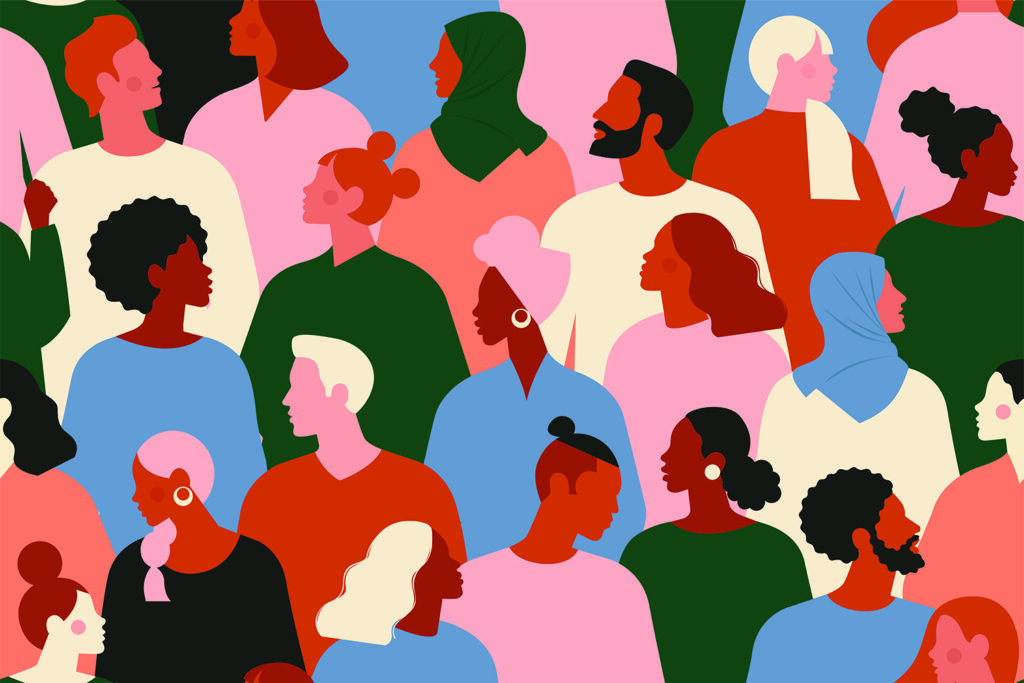
I’ve never really thought much about “feeling included” in a course until recently I’ve always focused on the academic side. But when I think about it, small things really do make a difference. A teacher who looks around the whole room instead of just focusing on the front row, or who avoids showing favoritism, helps everyone feel seen. In EDCI 335, I’ve noticed this sense of inclusion through how accessible and approachable our professor is. The group chat, extra resources, and flexible office hours all make communication easier. I also really appreciate how the professor retruns assignments within a couple of days, provides feedback, and even invites our thoughts afterward. That kind of openness helps students feel supported and respected, not just evaluated. It’s a reminder that inclusion isn’t only about access it’s also about connection and care.
Synchronous and Asynchronous Learning
Synchronous learning happens in real time, such as live classes, discussions, or meetings, where students and instructors can interact directly. Asynchronous learning, on the other hand, happens at a flexible pace through recorded lectures, readings, or discussion posts that students can complete on their own schedule. As Casa-Todd (2020) explains, synchronous learning helps build a sense of community and immediacy, while asynchronous learning supports reflection, accessibility, and independence. A balance between the two helps meet diverse learner needs and creates a more inclusive learning experience.
Personally, I really value having access to both. I like face-to-face or real-time interaction because it helps me stay connected and focused, but I also appreciate having recordings to go back to when I miss something or want to review. I sometimes lose focus easily, so being able to revisit materials makes a big difference.
In EDCI 335, most of the course is online, but what keeps it engaging are the peer responses and blog posts. It feels like an indirect conversation with classmates reading their thoughts, comparing ideas, and reflecting on different perspectives. That kind of interaction makes the course feel more active and collaborative, even though it’s asynchronous.
Principles of Effective Online Education
Effective online education depends on clarity, alignment, and accessibility. Frameworks such as Universal Design for Learning (UDL) help ensure that learning outcomes, activities, and assessments connect meaningfully, so students always know what they are working toward. A strong online course goes beyond simply posting slides or lessons; it creates an environment that feels organized, engaging, and supportive.
Clear structure allows students to move through modules easily, with consistent navigation and clear expectations. Accessibility is also essential using readable fonts, alternative text for images, and transcripts for videos ensures that all learners can access materials equitably. Interactive design, such as embedded quizzes or short simulations, helps learners stay active and apply new knowledge as they progress.
Feedback also plays an important role in maintaining engagement. When students receive timely and specific feedback, it builds confidence, reinforces progress, and encourages deeper reflection on their learning. Together, these principles create an online experience that is inclusive, motivating, and aligned with how students learn best.

I think the best online learning experiences balance structure and flexibility. Clear organization helps keep students on track, while flexibility allows everyone to work at their own pace and manage their time better. Communication is also key when instructors check in regularly, share updates, and invite questions, it helps students feel more connected and involved, even from a distance.
If you’re interested in how technology and creativity can make online learning more engaging, check out The Cult of Pedagogy Podcast Episode 17: Passion Tools. I really enjoyed listening to this episode because it felt practical and inspiring. Gonzalez explains how giving students choice and creative freedom can completely change their motivation and engagement. It reminded me that online learning doesn’t have to feel distant or structured the same way for everyone it can actually be a space where learners experiment, build, and express themselves in ways that feel meaningful.
source:https://www.cultofpedagogy.com/passion-tech-tools/
Interaction and Presence
Interaction and presence are essential components of effective online learning. When students have opportunities to engage meaningfully with instructors, peers, and content, learning becomes more active and connected. Instructor presence can be established through timely and personalized feedback, clear communication, and consistent guidance, all of which help learners feel supported and valued. Peer interactions, such as discussions or collaborative reflections, also promote a sense of community and belonging, which are key for maintaining engagement. Courses that balance all three forms of interaction student and instructor, student and student, and student and content tend to create sort of like richer and more inclusive learning experiences where students feel seen and motivated to participate.